Work, Relax, Sleep: Mastering the Multifunctional Living Space
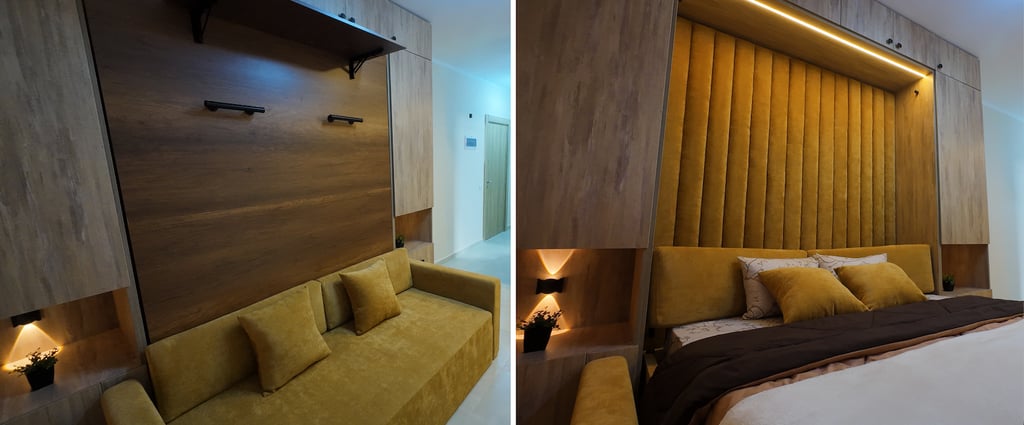
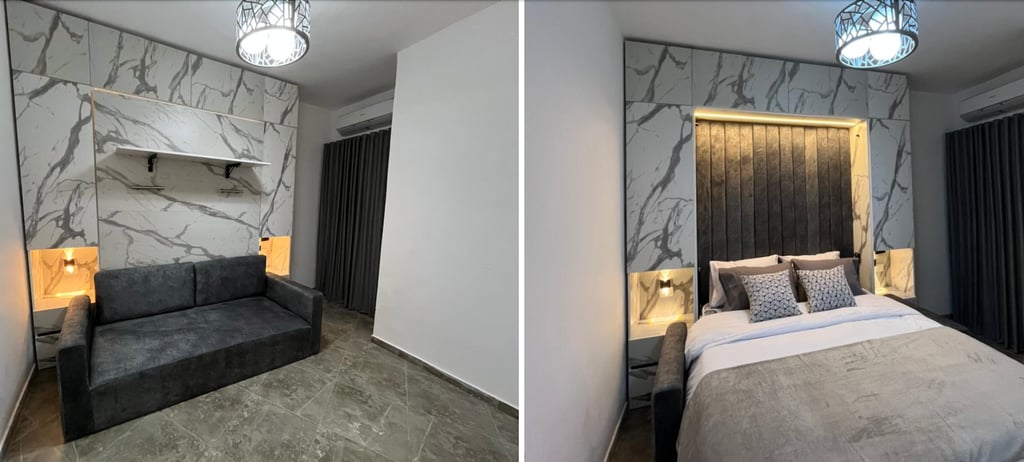
WORK • RELAX • SLEEP — ONE ROOM, THREE PURPOSES Small space doesn’t mean small living anymore. Watch this modern sofa transform into a full bed in seconds — a contemporary Murphy-style design built for real life.
FURNISHINGS
Yasmin
2/19/20264 min read

Maximizing Small Spaces: The New Era of Living
The evolution of small living spaces reflects a significant shift in contemporary design philosophies. As urban populations grow and housing costs rise, more individuals are opting for smaller homes and apartments. This trend has prompted designers and architects to rethink traditional layouts, leading to the emergence of multifunctional living environments. In essence, the contemporary small space is no longer just a limited area; it has become a canvas for innovative design solutions that cater to multiple needs.
Central to this transformation is the rise of multifunctional furniture. Gone are the days when a piece of furniture served a single purpose. Today, items like sofas that convert into beds, coffee tables with hidden storage, and extendable dining tables exemplify how space-saving solutions can enhance both functionality and aesthetics. These pieces empower residents to adapt their environments throughout the day, facilitating a seamless transition from work to relaxation and finally to sleep.
Furthermore, the shift toward minimalism in design plays a crucial role in maximizing small spaces. By emphasizing simplicity and the elimination of unnecessary clutter, minimalism not only makes rooms appear larger but also promotes a more tranquil living environment. Additionally, the use of lighter colors and smart lighting can create an illusion of space while enhancing overall ambiance.
Key trends such as modular living spaces and customizable design are leading the way in making the most of limited square footage. These innovations often involve adjustable furnishings that can be easily rearranged or reconfigured, allowing residents to tailor their environments to their specific needs. The implications of these trends extend beyond functionality; they also reflect a growing understanding that our living spaces must evolve to accommodate the multifaceted nature of modern life.
Transformative Design: The Modern Sofa Bed
In contemporary interior design, space optimization has become a focal point, especially within multifunctional living environments. The modern sofa bed, particularly the murphy-style design, exemplifies this trend by merging comfort, style, and practicality. These versatile pieces of furniture function not only as chic couches during the day but can effortlessly transform into cozy beds by night, catering to the diverse needs of urban dwellers.
One of the primary features of the murphy-style sofa bed is its innovative mechanics, which facilitate a seamless transition from sitting to sleeping. Typically designed with a simple pull-down mechanism or a fold-out framework, these sofa beds can be adjusted with minimal effort. This ease of use is key for individuals living in compact spaces, where converting furniture quickly and efficiently allows for a more comfortable living experience.
Aesthetically, modern sofa beds come in a wide range of designs, colors, and materials, making it easy to incorporate them into various interior styles. From sleek, minimalist options to plush, upholstered varieties, these pieces can harmonize with existing decor, enhancing the look of any room. Additionally, many contemporary sofa beds are crafted with high-quality mattresses, ensuring that comfort is not sacrificed for style. This is crucial for guaranteeing a restful sleep, which is often a concern with traditional sofa beds.
Moreover, the benefits of owning a modern sofa bed extend beyond functionality and design. They provide an ideal solution for accommodating guests without the need for a dedicated spare room. In the evolving landscape of urban living where every square foot counts, murphy-style sofa beds embody the essence of transformative design, making them a smart investment for those seeking to maximize their living spaces.
Creating Productive Spaces for Work and Leisure
In today’s fast-paced world, many individuals find themselves living in smaller spaces that must serve multiple functions. The integration of multifunctional furniture presents a viable solution, allowing for fluid transitions between work, relaxation, and sleep. To create a productive workspace within a compact living area, it is essential to optimize every inch while prioritizing functionality, comfort, and aesthetic appeal.
When designing a home office in a small living space, consider investing in furniture that offers versatility. For example, a desk that doubles as a dining table or a fold-out desk can preserve space while providing a dedicated area for work. Ergonomic chairs that enhance comfort during long work hours are equally important, as they contribute to overall productivity. Strategic placement of these pieces not only enhances functionality but also encourages a seamless blend of leisure and work activities.
Additionally, utilizing vertical space through shelves or wall-mounted storage can keep the environment organized and visually appealing. Decorative boxes or baskets serve as excellent storage solutions, allowing for a clean, uncluttered workspace. The aesthetic of the space should not be overlooked; incorporating decorative elements such as plants or artwork can significantly elevate the atmosphere, providing motivation and inspiration during work hours.
Maintaining productivity in a hybrid living environment also hinges on establishing clear boundaries. Use visual cues, such as distinct zones for work and relaxation, to differentiate between activities. This can be achieved through area rugs, lighting variations, or even simple room dividers. Designing areas dedicated to relaxation and leisure helps delineate time for productivity versus time for rest, further enhancing the functionality of multifunctional living spaces.
The Future of Smart Living: Rethinking Investments in Space
As urban areas continue to grow, the demand for efficient and multifunctional living spaces has increased significantly. With this trend comes the need to rethink investments in properties as smart furniture and technology take center stage. Smart living solutions, which include adaptable furnishings and advanced home automation systems, are changing the landscape of property investment, making it essential for landlords and developers to adapt to these innovations.
Multifunctional living spaces are becoming increasingly popular among both renters and buyers looking for flexibility in their day-to-day lives. These spaces not only maximize the utility of available square footage but also cater to the evolving lifestyle preferences that prioritize adaptability and convenience. As more individuals and families gravitate towards smaller living environments, the integration of smart furniture becomes a key differentiator in property offerings.
Investors are recognizing the potential value that smart living solutions bring to rental properties. Properties equipped with multifunctional furniture tend to attract a broader demographic, particularly millennials and Gen Z, who value technology and eco-friendly solutions. This generational shift hints at a broader trend where sustainability and practicality in living arrangements are paramount. As a result, properties that incorporate smart solutions not only offer convenience but also possess an edge in the competitive rental market.
In a city where space is limited, the significance of smart investments becomes ever more critical. Rethinking the use of space ensures that properties remain appealing and functional while catering to the desires of contemporary residents. As urban living continues to evolve, embracing technology and multifunctionality will undoubtedly shape the future of property investment and housing design.